

Key Takeaways
- Home hardening starts with identifying weak points across the entire property.
- Roofs, exterior openings, garage doors, drainage, and structural connections need different types of attention.
- Maintenance and documentation can be as important as larger upgrades.
- Qualified professionals should handle structural, electrical, and permit-related projects.
- Home improvements support emergency planning but never replace evacuation decisions.
Florida home hardening means taking practical steps to reduce the places where wind and water can damage a house. A homeowner may begin with routine upkeep, such as replacing worn seals or clearing gutters, then seek a general contractor when the work involves broader repairs, structural components, or coordinated improvements.
No two homes have the same vulnerabilities. Age, roof design, previous repairs, nearby trees, elevation, building materials, and location all affect which projects deserve priority. The goal is not to make a home invulnerable, but to identify manageable risks before severe weather is in the forecast.
What Home Hardening Means
Home hardening includes maintenance, minor upgrades, and major retrofits that help a building perform better in strong winds and heavy rain. It can involve roof covering repairs, reinforced opening protection, improved drainage, and stronger connections between structural components.
Florida officials encourage residents to assess whether their homes can withstand wind, rain, flooding, and other hazards as part of their Florida hurricane preparedness guidance. That assessment should also include an evacuation plan, because physical improvements do not make it safe to ignore local emergency orders.
Start With A Whole-Home Walkthrough
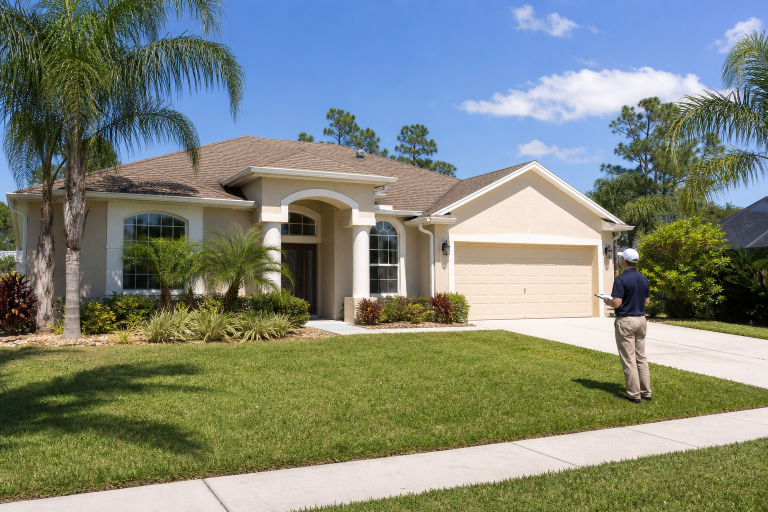
Before purchasing materials, walk around the property and take notes and photographs from the ground. A careful review helps separate urgent repairs from longer-term projects. Homeowners considering broader hurricane proofing measures can use the walkthrough to identify questions for a qualified inspector or contractor.
Suggested Walkthrough Checklist
- Look for loose shingles, tiles, soffits, fascia, gutters, and downspouts.
- Check exterior doors for worn weatherstripping, loose hinges, and latch problems.
- Notice ceiling stains, cracked trim, soft wall areas, and gaps around windows.
- Confirm that furniture, grills, planters, and other outdoor items can be secured.
- Review trees for dead limbs or branches extending over the roof.
Check The Roof And Attic
A roof is a system, not just a visible surface. Coverings, decking, vents, framing, fasteners, and connections all work together to resist weather. From a safe location, look for missing, curled, cracked, or loose roofing materials, especially around valleys, vents, chimneys, and skylights.
Inside the attic, watch for moisture, damaged insulation, stains, or daylight coming through the roof deck. Avoid climbing onto wet, steep, or questionable roofs. Concerns involving trusses, roof-to-wall connections, or fasteners call for professional evaluation rather than a do-it-yourself repair.
Review Doors, Windows, And Garage Openings
Exterior openings deserve close attention because high wind can exploit gaps, loose hardware, and damaged frames. Test whether each exterior door closes and latches fully. Inspect window locks, seals, trim, frames, and any protective panels or shutters to ensure they fit the correct opening.
Garage doors cover a large opening and should be checked for damaged panels, loose tracks, worn rollers, and questionable hardware. Follow the manufacturer’s instructions for storm preparation, and avoid improvised bracing that could damage the door or pose a safety risk.
Inspect Walls, Connections, And Foundation Areas
Some of the most important warning signs appear in overlooked areas. Look for widening cracks in drywall or masonry, rusted exposed straps or brackets, gaps around pipes and vents, standing water in crawl spaces, wood decay, leaning walls, or doors that no longer close properly.
A visual inspection can reveal concerns, but it cannot confirm structural capacity. Any issue involving settlement, corrosion, framing, load-bearing walls, or foundation movement should be reviewed by a properly qualified professional.
Reduce Water And Flood Damage
Wind resistance and water management are related, but they are not the same task. Clear gutters, direct downspouts away from the foundation, and address small approved gaps around exterior penetrations. When flooding is possible, move valuable items and important documents away from low floors and garages.
Insurance planning matters as well. The state’s hurricane insurance resources explain that homeowners should review their coverage and home inventory information before a storm, rather than assuming that a standard policy covers all types of water damage.
Organize Records Before Work Begins
Create a digital folder with backup copies of insurance policies, permits, inspection reports, repair receipts, warranties, manuals, and contractor documents. Photograph every room, the roof, exterior elevations, appliances, and valuables. Include serial numbers for major equipment when possible.
Clear records help establish the home’s pre-storm condition and make it easier to locate repair details later. Keep paper copies of essential documents in a waterproof container that can be taken during an evacuation.
Know When To Hire A Qualified Professional
Routine cleaning and simple maintenance may be manageable for many homeowners. Professional help is wise when work changes roof framing, wall connections, electrical systems, permanent generator wiring, or other structural components. It is also important to consider when permits or inspections may be required.
Request a written scope of work, estimated timing, payment terms, insurance information, licensing details where applicable, and responsibility for permits. Comparing written scopes helps ensure that estimates describe the same work.
Use A Simple Home-Hardening Timeline
Eight Or More Weeks Before Peak Risk
- Complete the walkthrough and document concerns.
- Schedule inspections for structural or roofing questions.
- Gather estimates and order materials with longer lead times.
Two To Four Weeks Before A Storm Threat
- Finish approved repairs and store all related paperwork.
- Test shutters, alarms, communication devices, and backup power plans.
- Update household contacts, pet arrangements, and evacuation routes.
When A Storm Is Forecast
- Bring loose outdoor items inside and clear drains again.
- Install protective coverings according to product instructions.
- Charge devices, secure documents, and follow local evacuation orders.
Common Questions
Does Home Hardening Prevent All Storm Damage?
No. It can reduce specific weak points, but it cannot eliminate risks from flooding, storm surge, fallen trees, extreme wind, debris, or power loss.
What Is The Best First Step For An Older Home?
Begin with a documented inspection. The results can help prioritize urgent repairs, routine maintenance, and upgrades that require professional review.
Should Preparation Wait Until A Storm Is Named?
No. Materials, permits, inspections, and qualified labor may be harder to obtain as a storm approaches. Early preparation gives homeowners more time to make informed decisions.
Final Thoughts
Florida homeowners do not need to complete every improvement at once. A methodical inspection, a clear list of priorities, sound maintenance, organized records, and an emergency plan can make storm or hurricane preparation more manageable. Taking small, well-documented steps early provides more options when severe weather arrives.

